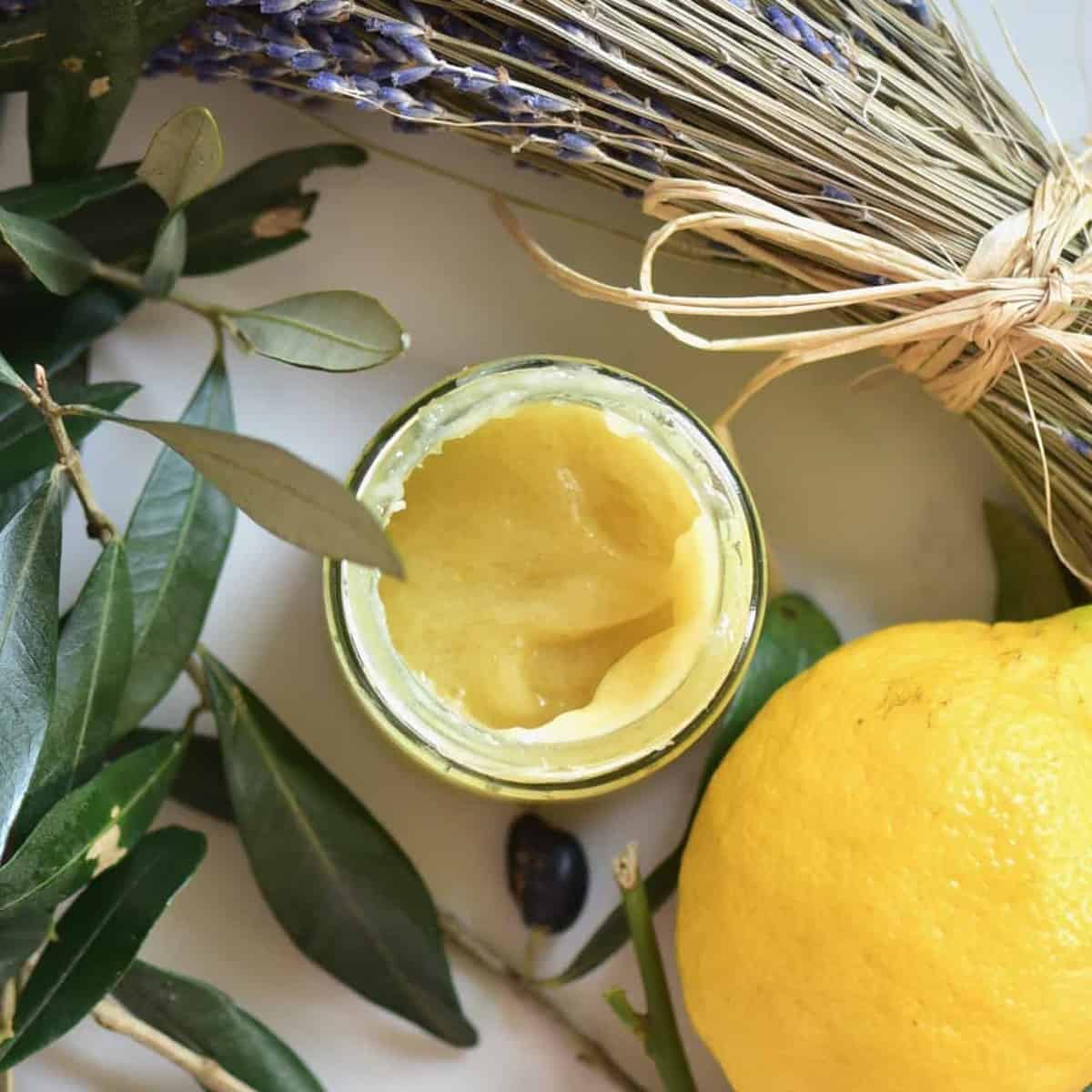
As the chill of winter sets in, many of us notice a familiar change in our skin. The crisp air outside, coupled with the dry heat indoors and the necessity of frequent hand washing, can strip our skin of its natural moisture, leaving it feeling tight, flaky, and sometimes even cracked. This seasonal dryness isn't just an inconvenience; it can be genuinely uncomfortable and even painful. While the market is flooded with various lotions and creams, finding one that truly nourishes without a cocktail of chemicals can be a challenge. That's where the magic of a homemade all natural soothing skin balm for dry skin comes into play – a simple, yet potent solution that brings relief and rejuvenation right into your hands.
Creating your own skincare allows you to take control of what goes onto your body, ensuring every ingredient serves a beneficial purpose. This isn't just about saving money; it's about crafting a product perfectly tailored to your unique needs, free from synthetic fragrances, harsh preservatives, and questionable additives. Imagine a luxurious, deeply moisturizing balm that not only combats winter dryness but also soothes minor irritations, all while being made with ingredients you can pronounce and trust. Let's dive into the world of DIY skincare and discover how to combat winter's harsh effects with a personalized touch.
Why Embrace a Homemade All-Natural Soothing Skin Balm?
The appeal of a homemade all natural soothing skin balm for dry skin extends far beyond simply moisturizing. It represents a mindful approach to self-care, offering a multitude of benefits that often outweigh store-bought alternatives.
Escape the Chemical Conundrum
One of the most compelling reasons to go DIY is to avoid the vast array of synthetic chemicals found in many commercial products. Parabens, phthalates, artificial colors, and synthetic fragrances are common culprits that can irritate sensitive skin, disrupt hormones, and even contribute to allergic reactions. When you make your own balm, you're choosing pure, natural ingredients, eliminating the guesswork and potential harm associated with hidden chemicals. This transparency is particularly crucial for anyone with eczema, psoriasis, or generally reactive skin.
Tailored to Your Unique Skin
No two skin types are exactly alike, and what works wonders for one person might cause issues for another. A homemade balm empowers you to customize the formulation to your specific needs. Are you sensitive to essential oils? Omit them entirely. Do you have extremely dry skin? Adjust the ratio of butters and carrier oils for extra richness. This level of personalization is simply not possible with mass-produced products. You can create a balm that is truly a perfect match for your skin, whether it's fragrance-free, extra-gentle, or intensely moisturizing.
Cost-Effectiveness & Sustainability
While the initial outlay for quality raw ingredients might seem like an investment, homemade balms often prove to be significantly more cost-effective in the long run. A small amount of concentrated balm can go a long way, reducing your overall expenditure on skincare. Furthermore, embracing DIY skincare is a step towards a more sustainable lifestyle. By reusing containers, purchasing ingredients in bulk, and avoiding excessive packaging, you can significantly reduce your environmental footprint. If you're eager to get started, you can find a straightforward guide on how to Make Your Own Soothing Dry Skin Balm in 10 Mins.
More Than Just a Moisturizer: The Versatility of Your DIY Balm
While a primary function of your homemade all natural soothing skin balm for dry skin is to provide deep hydration, its benefits extend far beyond simply moisturizing. This versatile concoction can become a go-to remedy for a surprising array of everyday skin woes, making it an indispensable item in your self-care arsenal.
Deep Hydration for Hands & Body
The most obvious benefit is its ability to deeply nourish and protect. Winter-worn hands, often ravaged by cold winds and frequent washing, will drink up this rich balm. Many enthusiasts even use it as an overnight treatment, applying a generous layer to their hands or feet before slipping on a pair of cotton gloves or socks, waking up to remarkably softer, more supple skin. It's equally effective on elbows, knees, and any other areas prone to extreme dryness.
Soothing Minor Ailments
Thanks to a thoughtful blend of essential oils and skin-loving base ingredients, this balm is a true multi-tasker:
- Cuts and Scrapes: The antiseptic and anti-inflammatory properties of certain essential oils like lavender, combined with nourishing carrier oils, can help soothe minor cuts and abrasions, supporting the skin's natural healing process.
- Bug Bites: Calming ingredients work to reduce the itchiness and irritation associated with insect bites, offering quick relief without harsh chemicals.
- Post-Shave Comfort: Applying a thin layer of balm after shaving can dramatically reduce redness, razor burn, and irritation, leaving skin feeling smooth and calm.
- Windburn & Chapping: The protective barrier formed by the balm acts as a shield against harsh environmental elements, preventing and healing chapped skin, whether on your face, lips, or hands.
For those with particularly delicate complexions, learning how to create a Natural Homemade Balm: Soothe Dry & Sensitive Skin can be a game-changer, ensuring even the most reactive skin finds comfort.
Crafting Your Homemade All Natural Soothing Skin Balm: Key Ingredients
The magic of a homemade all natural soothing skin balm for dry skin lies in its carefully selected, high-quality ingredients. Each component plays a vital role in creating a balm that is not only effective but also a pleasure to use.
The Foundation: Carrier Oils & Butters
Carrier oils are the unsung heroes of any balm. They dilute potent essential oils and "carry" their benefits to your skin, while also providing their own rich array of nutrients. Adding natural butters enhances the balm's consistency and moisturizing power.
- Jojoba Oil: Technically a liquid wax, jojoba oil closely mimics the skin's natural sebum, making it incredibly well-tolerated and non-comedogenic. It's excellent for balancing all skin types.
- Sweet Almond Oil: A light, nourishing oil rich in vitamins E, A, and D, making it fantastic for soothing dry, irritated skin. It absorbs easily without feeling greasy.
- Coconut Oil: Deeply moisturizing and known for its antimicrobial properties. While excellent for body use, some find it can be comedogenic on facial skin.
- Olive Oil: A readily available pantry staple, olive oil is packed with antioxidants and vitamins, offering deep hydration and protective benefits.
- Shea Butter: Extracted from the nuts of the shea tree, this rich butter is incredibly emollient and provides intense hydration. It's fantastic for very dry, cracked, or sensitive skin.
- Cocoa Butter: Known for its distinctive chocolatey aroma, cocoa butter is a heavier butter that creates a protective barrier, making it excellent for severely dry or chapped areas.
The Protective Barrier: Beeswax (or Candelilla Wax for Vegan Options)
Beeswax is crucial for giving your balm its solid consistency. It acts as a natural emulsifier and creates a breathable protective layer on the skin, sealing in moisture without clogging pores. For a vegan alternative, candelilla wax performs a similar function.
The Aromatic & Therapeutic Touch: Essential Oils
Essential oils provide both fragrance and therapeutic benefits. Always use high-quality, pure essential oils and remember that they are potent; proper dilution is key. Always perform a patch test if you're new to an essential oil.
- Lavender Essential Oil: A perennial favorite, lavender is renowned for its calming, soothing, and antiseptic properties. It can aid in healing minor skin irritations and adds a beautiful, spa-like scent.
- Peppermint Essential Oil: Offers a cooling and invigorating sensation, which can be particularly soothing for irritated or itchy skin. It's also known to boost energy and clear the mind. Use sparingly due to its potency.
- Lemon Essential Oil: Provides an uplifting, bright citrus aroma that can naturally boost mood. It has astringent and cleansing properties. Caution: Lemon essential oil is photosensitive; avoid direct sun exposure on areas where it's applied for up to 12 hours.
- Other Suggestions: Consider Tea Tree Oil for its powerful antiseptic qualities (great for minor cuts), Frankincense Oil for its skin rejuvenating benefits, or Chamomile Essential Oil for its exceptional soothing properties, especially for sensitive skin.
Optional Power-Ups
- Vitamin E Oil: A powerful antioxidant that helps protect skin cells from damage. It also acts as a natural preservative, extending the shelf life of your balm.
- Raw Honey: A natural humectant, meaning it draws moisture from the air into your skin. It's also antibacterial and has wonderful healing properties.
DIY Balm Creation: Tips for Success and Customization
Making your own homemade all natural soothing skin balm for dry skin is a straightforward and rewarding process. While detailed recipes are readily available, understanding the basic method and customization options will empower you to create your perfect balm.
The Basic Method
The general process involves gently melting your solid ingredients (beeswax/candelilla wax, butters) with your chosen carrier oils using a double boiler. This ensures even heating without scorching. Once melted and combined, remove from heat and allow the mixture to cool slightly before stirring in your essential oils (if using) and any optional add-ins like Vitamin E. Pour the warm liquid into clean, airtight containers and allow it to fully set at room temperature or in the refrigerator. Proper storage in a cool, dark place will help maintain its efficacy and extend its shelf life. Always label your balms with the creation date!
Customizing for Your Needs
- Fragrance-Free: If you have extremely sensitive skin or prefer no scent, simply omit the essential oils entirely. The balm will still be incredibly effective.
- For Eczema/Psoriasis-Prone Skin: Focus on highly soothing ingredients. Consider infusing your carrier oil with calendula or chamomile flowers for added calming benefits, and use essential oils known for their anti-inflammatory properties, like German Chamomile or Helichrysum, diluted appropriately.
- Extra Dry/Cracked Skin: Increase the proportion of rich butters like shea or cocoa butter, and don't skimp on Vitamin E oil for its reparative qualities.
- Vegan Option: Easily swap beeswax for an equal amount of candelilla wax.
Safety First
Always perform a patch test on a small area of skin before applying any new balm all over, especially if you've introduced new essential oils or ingredients. Ensure proper dilution of essential oils and avoid using certain oils (like some citrus oils) if you plan to be in direct sunlight, as they can cause photosensitivity. If you are pregnant, nursing, or have a medical condition, consult with a healthcare professional before using essential oils.
Embrace the Power of Natural Healing
Creating your own homemade all natural soothing skin balm for dry skin is an empowering step towards holistic self-care. It's a journey that allows you to reconnect with natural ingredients, ditch harmful chemicals, and tailor a product that truly understands and responds to your skin's unique language. From providing intense relief for winter-chapped hands to soothing minor cuts and bites, this versatile balm is more than just a moisturizer; it's a testament to the simple, profound power of nature's remedies. So, gather your ingredients, unleash your inner alchemist, and experience the unparalleled comfort and satisfaction of a balm made with love, by you, for you.
